

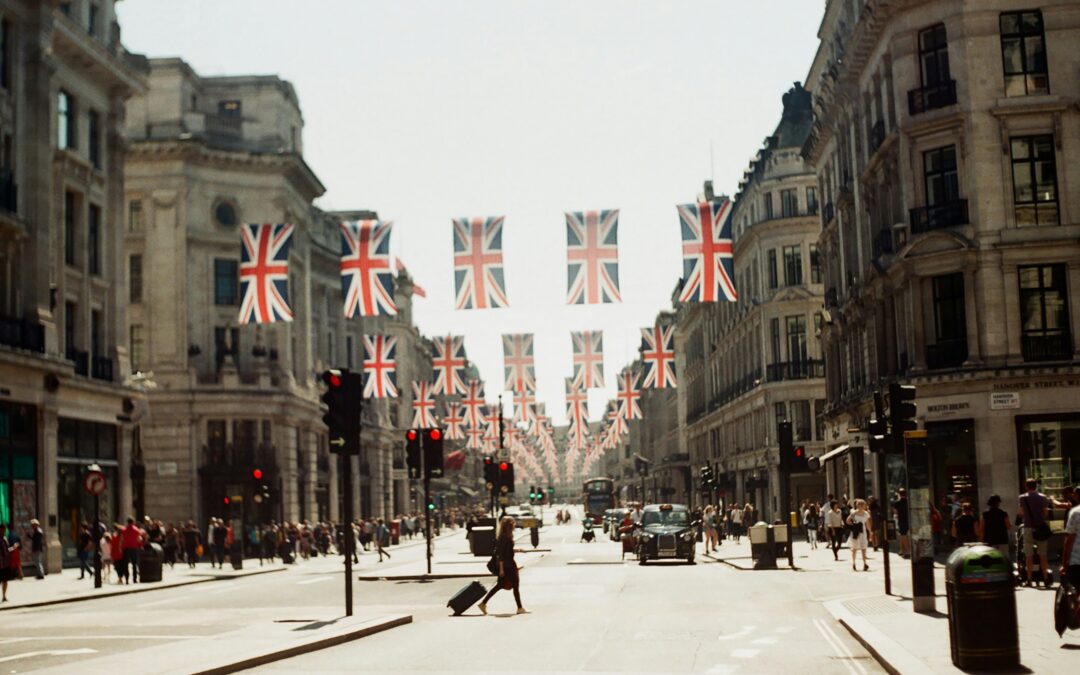
A new chapter for one of the world’s most famous retail streets. Plans to pedestrianise London’s Oxford Street have been approved, marking a significant moment for one of the world’s most recognisable retail destinations.
For years, Oxford Street has been one of Europe’s busiest shopping streets, attracting huge visitor volumes and acting as a key anchor within London’s West End retail ecosystem. Now, with proposals to remove traffic from sections of the street, the focus is shifting towards creating a more attractive pedestrian experience, improving air quality and strengthening the street’s role as a global retail and leisure destination.
The ambition is clear, but the key question is this: what will actually change once the street becomes pedestrianised? Pedestrianisation is not just a design intervention. It fundamentally changes how people move through a place.
Understanding behaviour, not just footfall
Large-scale public realm changes often focus on the physical transformation of a street. Wider pavements, public seating, greenery and improved accessibility can all contribute to a better experience for visitors.
However, the real impact is behavioural. When a major retail street changes, visitor patterns often shift in subtle but important ways. People may stay longer, explore neighbouring streets, or change how they move between destinations. Retail dwell times may increase, catchment areas may evolve, and some locations may benefit more than others.
These changes are rarely uniform and not always obvious. Without reliable data, much of the conversation around pedestrianisation remains speculative.
Why Oxford Street is such an important test case
Oxford Street already attracts extraordinary visitor volumes every year and sits at the centre of London’s retail district, linking major destinations including Bond Street, Soho, Regent Street and Marylebone. Transforming a street of this scale will inevitably create ripple effects across the wider area.
For retailers, landlords, investors and city planners, the key questions are not simply about design or infrastructure. Will pedestrianisation increase overall visitor numbers? Will dwell time increase once traffic is removed? How will visitor flows change across surrounding streets, and which areas will see the greatest uplift in activity?
Perhaps most importantly, will visitors stay longer and explore more widely across the West End? These are exactly the kinds of questions that mobility and visitor data are designed to answer.
From assumptions to evidence
Traditionally, understanding how people use city centres relies heavily on surveys, manual footfall counters and anecdotal observation. Today, anonymised mobility data provides a much richer picture of how visitors interact with places.
At Visitor Insights, we use location data to understand real behavioural patterns: where visitors come from, how frequently they return, how long they stay, and how they move between streets and destinations. This type of insight allows towns, cities and retail destinations to understand which areas benefit most from visitor activity and how behaviour changes over time.
Platforms such as Terain allow towns, cities, retail destinations, and investors to measure these patterns in detail, turning complex movement data into clear, actionable insights.
Why this matters for regeneration
Oxford Street’s transformation will be watched closely across the retail and urban planning sectors. Not just because the street is famous, but because the lessons learned will apply to high streets everywhere.
Across the UK and internationally, cities are rethinking the role of retail streets. Public realm investment, experience-led retail, hospitality, and culture are becoming central to regeneration strategies, while many towns and cities are exploring pedestrianisation to improve the visitor experience.
For these initiatives to succeed, however, decisions must be evidence-led. Understanding how people actually experience places is the foundation of effective placemaking.
The opportunity ahead
The physical changes of this pedestrianisation will be visible immediately. New public spaces will emerge, traffic will disappear, and the experience of the street will evolve. But the real story will emerge over time in the data because ultimately, the success of a street is not defined by its design alone, but by how people choose to use it.
Photo credit: Samuel Pollard